Pillow Plate Technology
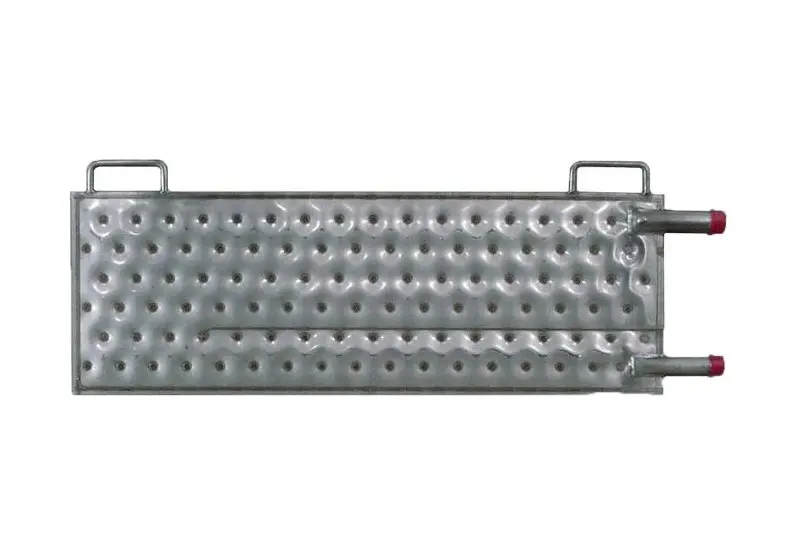
Panels forming pressurised internal channels. Engineered for uniform thermal distribution across tank walls, vessel jackets, and flat surface heat exchange applications.
Advanced Heat Transfer Panels
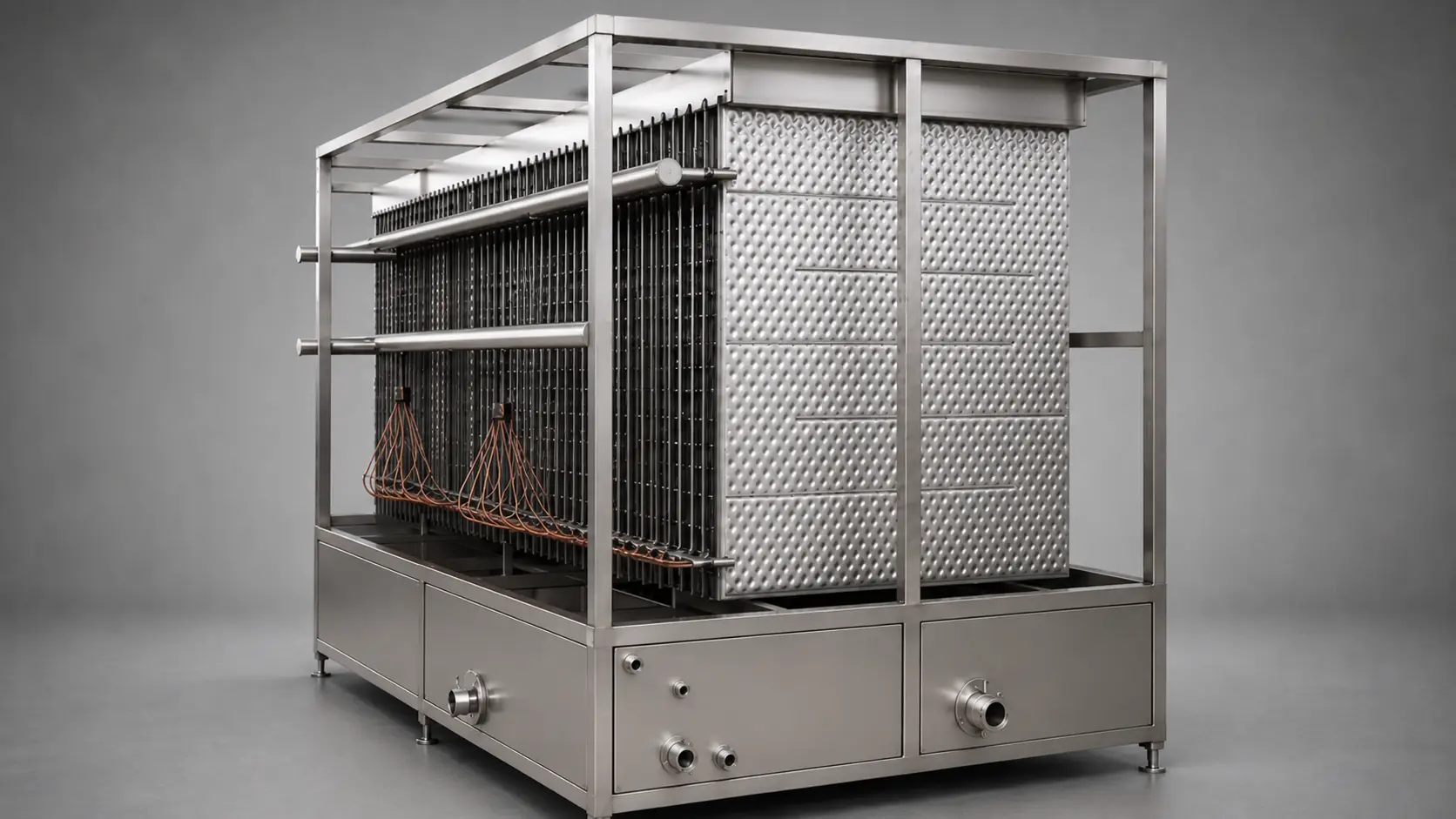
Calvion Technologies manufactures laser welded pillow plates engineered for efficient heating, cooling, evaporation, condensation, and thermal storage applications across a wide range of industries.
Fabricated using laser welding and hydraulic inflation technology, pillow plates form highly efficient internal flow channels that promote turbulent fluid movement, enhance heat transfer performance, and provide excellent structural strength. Their unique geometry enables superior thermal efficiency, low fouling characteristics, and flexible integration into industrial equipment.
Available in a variety of materials, thicknesses, weld configurations, and dimensions, Calvion pillow plates can be customized to meet specific process, pressure, temperature, and hygiene requirements.
Why Choose Calvion Pillow Plates
Manufacturing capability up to 2,000 mm width × 12,000 mm length
Advanced German fiber laser welding technology
Single embossed and double embossed configurations
Stainless steel, duplex, titanium, and specialty alloy fabrication
Operating pressures from vacuum service up to 250 bar (application dependent)
Customized weld patterns optimized for thermal performance
Hygienic solutions for food, beverage, dairy, and pharmaceutical industries
In-house engineering support for thermal design and application development
Export-ready manufacturing and quality-driven production systems
A pillow plate is manufactured by joining two metal sheets typically stainless steel through a laser welding process. The weld pattern is created according to the required thermal and mechanical performance of the application.
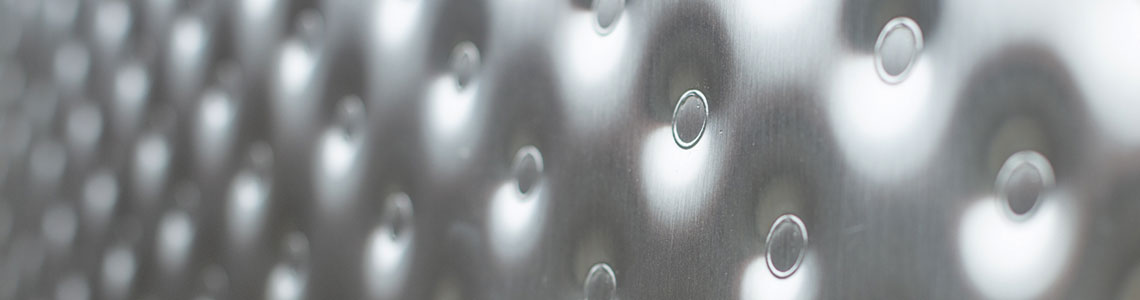
Following welding, the plates are hydraulically inflated under controlled pressure, causing the material between the weld points to expand and form an internal flow channel structure.
This creates a pressure-resistant heat transfer panel that combines:
High thermal efficiency
Excellent mechanical strength
Low internal fluid volume
Improved turbulence and heat transfer
Reduced fouling tendencies
Lightweight construction
The internal channel geometry can be customized based on process requirements such as flow rate, pressure drop, thermal efficiency, and media characteristics.
As a result, pillow plates are widely used in cooling, heating, evaporation, condensation, thermal storage, and process temperature control applications.
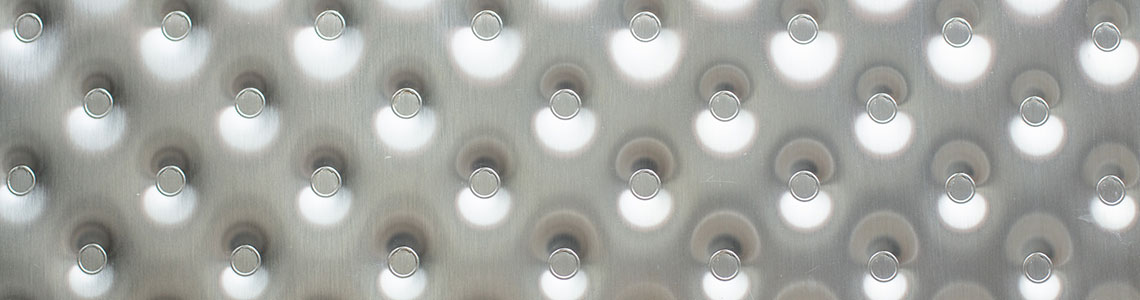
Types of Pillow Plates
Calvion Technologies manufactures two primary pillow plate configurations, each optimized for specific thermal, hygienic, and mechanical requirements.
Single Embossed Pillow Plate
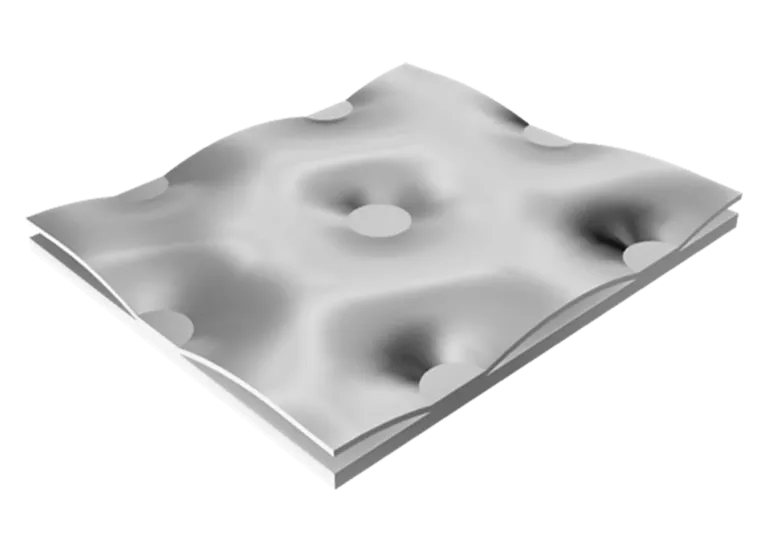
Single embossed pillow plates are manufactured using two sheets of different thicknesses. During inflation, only the thinner sheet expands while the thicker backing plate remains completely flat.
This creates one embossed heat transfer side and one smooth process-contact side, making single embossed plates particularly suitable for applications where inner surface is in direct contact with product.
Key Benefits
One embossed side and one smooth side
Excellent cleanbility and hygiene
Ideal for product-contact applications
Suitable for on-site inflation after vessel fabrication
Efficient heating and cooling performance
Compatible with steam, glycol, thermal oil, water, refrigerants and other media
Typical Applications
Milk cooling tanks
Dairy processing equipment
Beer and wine fermentation vessels
Pharmaceutical reactors
Food processing tanks
Chemical process vessels
Jacketed storage tanks
Standard Thickness Combinations
Double Embossed Pillow Plate
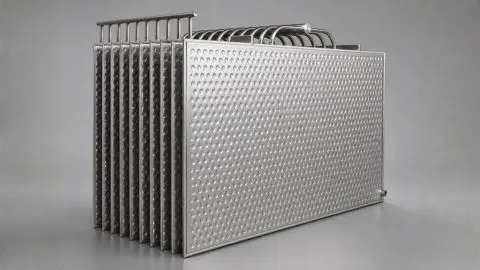
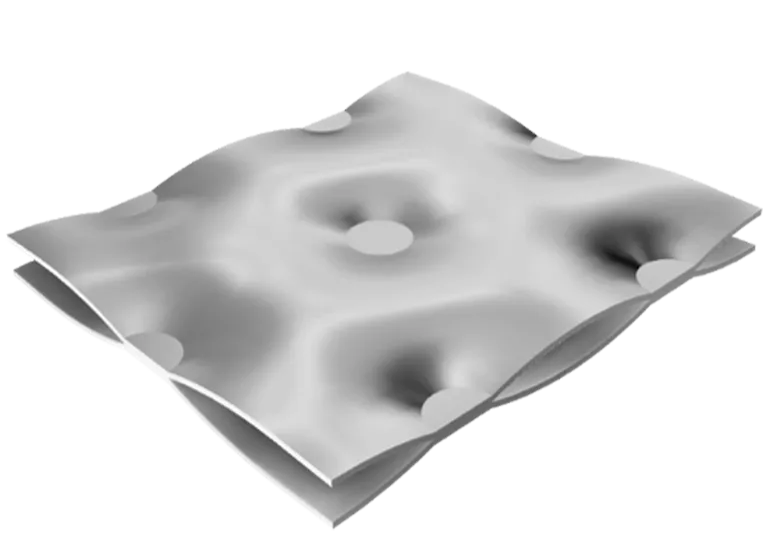
Double embossed pillow plates are manufactured using two sheets of equal thickness. During inflation, both sheets expand simultaneously, creating embossed surfaces on both sides.
This configuration provides increased heat transfer area, larger internal channel volume, and exceptional thermal performance.
Key Benefits
Maximum heat transfer area
Increased capacity
Low pressure drop
Excellent thermal efficiency
Self-supporting geometry
Reduced fouling tendencies
Low ciculating fluid volume
Typical Applications
Falling film chillers
Ice bank tanks
Evaporative Condensers
Immersion chillers
Heat recovery banks
Flake Ice machine
Bio-processing equipment
Standard Thickness Combinations
Material Selection
Material selection plays a critical role in the application performance and longevity of heat transfer equipment. Calvion offers a broad range of material options to suit operating conditions ranging from hygienic food processing to highly corrosive chemical environments.
Austenitic Stainless
Steels
Duplex Stainless Steels
Titanium Grades
Nickel & Speciality
Alloys
Material selection is carried out based on applications, process media, operating temperature, pressure requirements, corrosion potential, and industry-specific standards.
Advantages of Pillow Plates
Pillow plates offer a compelling combination of thermal performance, structural flexibility, economic efficiency, and operational longevity that makes them the preferred heat transfer solution across a wide range of industries. Below is a detailed overview of the key advantages that Calvion Technologies pillow plates deliver:
Superior Heat Transfer Performance
The inflated channel geometry creates highly turbulent fluid flow within the plate, significantly increasing heat transfer coefficients and enabling efficient heating and cooling performance even within compact installation spaces.
Reduced Fouling & Maintenance
The continuous flow under close circuit minimizes the deposition of scale, lime, algae, and other fouling materials, helping maintain thermal efficiency while reducing cleaning frequency and maintenance costs.
Lower Operating Energy Requirements
The low internal volume of pillow plates requires smaller quantities of heating or cooling media to circulate through the system. This reduces pump capacity requirements, lowers energy consumption, and improves overall system efficiency.
Optimized Material Utilization
Precision laser welding technology allows the use of thinner sheet materials while maintaining excellent structural integrity and pressure resistance. This results in lower material consumption, reduced equipment weight, and cost-effective heat transfer solutions.
Flexible & Customizable Design
Manufactured using CNC-controlled laser welding systems, pillow plates can be produced in virtually any shape, size, weld pattern, curvature, cut-out, nozzle arrangement, or mounting configuration to suit specific equipment and process requirements.
Hygienic Construction
Single embossed pillow plates provide a smooth product-contact surface free from exposed welds, making them particularly suitable for hygienic applications requiring effective CIP cleaning and compliance with food, beverage, dairy, and pharmaceutical standards.
High Mechanical Strength
The laser-welded and hydraulically inflated construction creates a rigid, pressure-resistant structure capable of operating under demanding thermal and mechanical conditions while ensuring long service life.
Lightweight & Space-Efficient Design
Compared with many conventional heat transfer solutions, pillow plates provide excellent thermal performance with lower weight and a more compact footprint, making integration into existing equipment and facilities easier.
Versatile Process Integration
Pillow plates can be integrated into tanks, vessels, reactors, immersion systems, ice banks, falling film chillers, evaporators, condensers, and custom thermal equipment across a broad range of industries.
Reduced Fabrication Time
Compared with conventional half-pipe coils, limpet coils, and fabricated jacket constructions, pillow plates significantly simplify vessel manufacturing. The integrated heat transfer surface reduces fabrication steps, welding operations, and assembly time, allowing faster production of tanks, reactors, and process vessels while maintaining excellent thermal performance and structural integrity.
Discuss Pillow Plate Requirements
Share your tank dimensions, process media, and temperature requirements. Our engineering team will specify the appropriate pillow plate configuration.